
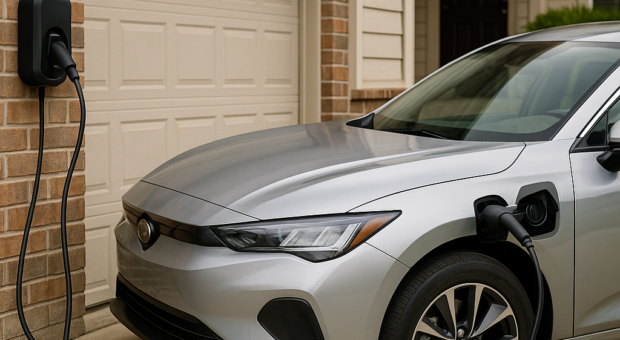
Real Costs, Installation, and Everyday Convenience
Switching to a hybrid or electric vehicle (EV) means embracing a new way of refueling—at home. But what does home charging really cost? How tricky is installation? And how does daily charging fit into real life? This review dives into those questions with practical insights for anyone considering an electric city car or a hybrid car for beginners.
Who is this car and home charging setup for?
Whether you’re eyeing a plug-in hybrid for weekend getaways or a full EV as your daily driver, understanding home charging is crucial. This guide is perfect for:
- Urban commuters with access to private parking
- Families interested in hybrid fuel consumption savings
- Early EV adopters weighing public vs home charging convenience
- Anyone curious about EV range in real life and charging costs
If you rely heavily on public chargers or don’t have a fixed parking spot, home charging might be less relevant—but for most owners, it’s a game-changer.
Real-world home charging costs and installation fees
One of the biggest questions is, “How much will home charging actually cost me?” The answer varies based on electricity tariffs, charger type, and installation complexity.
Installation expenses
- Basic Level 2 charger installation: $500–$1,200
- Upgraded electrical panel or wiring: Additional $500–$1,500
- Smart chargers with app controls and scheduling: $700–$1,500
Many utility companies offer rebates or incentives to offset these costs. Installation usually takes a few hours but can extend if your home’s electrical system needs upgrades.
Charging costs per kWh
- Average US residential electricity cost: ~$0.13 per kWh
- Typical EV battery size: 40–60 kWh
- Full charge cost: $5.20–$7.80 (for a 40 kWh battery)
For plug-in hybrids with smaller batteries (8–15 kWh), charging costs drop to under $2 per full charge. Compared to gasoline prices, this can mean significant savings, especially when factoring in hybrid fuel consumption improvements.
Charging and daily use: convenience beyond cost
How does charging fit into everyday life? For many, home charging overnight is seamless and convenient.
Charging time in city use
- Level 1 charger (standard outlet): 3–5 miles of range per hour
- Level 2 charger (240V): 15–30 miles of range per hour
Most EV owners plug in after arriving home and wake up to a full battery, eliminating “range anxiety.” For hybrid owners, charging daily can extend electric-only driving to 20–40 miles, covering most city commutes.
Home charging vs public charging
- Home charging is cheaper, more convenient, and requires no waiting
- Public chargers often cost more and may be busy during peak hours
- Fast chargers are great for road trips but can degrade battery faster if used frequently
Battery degradation and charging habits
Keeping the battery between 20% and 80% charge can prolong battery life. Home chargers with smart scheduling help maintain this balance, unlike public fast chargers that push the battery to full quickly.
Pros of owning a hybrid or electric car with home charging
- Significant savings on fuel and maintenance
- Easy overnight charging fits naturally into daily routines
- Reduced emissions and quieter driving experience
- Flexibility to drive electric-only for city errands
- Access to incentives like tax credits and utility rebates
Cons and considerations before installing home charging
- Initial installation costs and potential home electrical upgrades
- Need for private parking or garage access
- Charging time longer than refueling a gasoline car
- Possible range limitations on longer trips, requiring public fast chargers
- Battery degradation risk if fast charging is overused
Real-world scenarios: what owners experience
Jane, a city dweller with a plug-in hybrid, charges every night using her Level 2 home charger. She covers 25 miles daily on electric power, saving over $1,000 annually on gasoline. Installation cost her $900, offset by a $300 utility rebate.
Mark, who drives a full EV with a 60 kWh battery, relies on home charging exclusively for his 30-mile daily commute. Overnight charging takes about 4 hours on his Level 2 charger, and his monthly electric bill increased by only $15.
Both appreciate the convenience of plugging in at home and avoiding public charging hassles.
What to look for in a home charging solution for your EV or hybrid car
- Charger compatibility with your vehicle’s maximum charging rate
- Installation by a certified electrician familiar with EV setups
- Smart features like scheduling and energy monitoring
- Eligibility for local incentives or rebates
- Consideration of future EV upgrades or additional vehicles
Choosing the right home charger and understanding real-world charging costs can make owning a hybrid or electric car not just eco-friendly but also practical and economical.
If you’re ready to embrace the future of driving, getting familiar with home charging is the first step towards a smoother, more cost-effective EV ownership experience.
Looking for more in-depth information? You can also read one of our full guides here: How Mileage and Charging Cycles Impact Hybrid and Electric Car Battery Health and Resale Value.
Read the previous review: Home Charging Review for Hybrid and Electric Cars: Real Costs, Installation, and Daily Convenience