
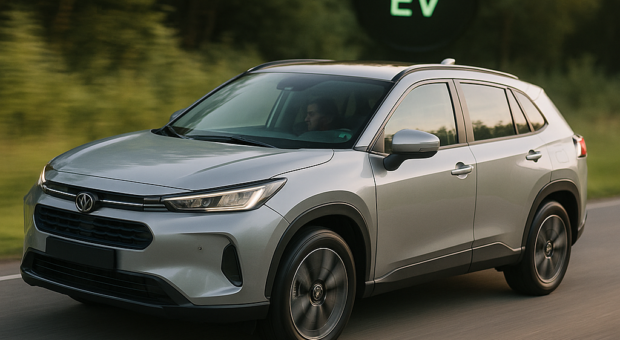
Hybrid Driving Modes Reviewed: When Electric-Only Really Makes Sense for Your Daily Drive
Hybrid cars are increasingly popular among drivers seeking the best of both worlds: electric efficiency and gasoline backup. But when does electric-only mode truly work, and how does it affect your daily experience? This review dives into practical insights on hybrid driving modes, focusing on real-world use, pros and cons, and what drivers should consider before committing to a hybrid vehicle.
Who Is This Hybrid Car For? Understanding the Electric-Only Appeal
Hybrids with electric-only driving are ideal for:
- Urban commuters with short daily trips (under 30 miles)
- Drivers aiming to reduce fuel consumption without range anxiety
- Environment-conscious individuals wanting to lower emissions during city driving
- Those with access to home or workplace charging, maximizing EV mode use
If your daily routine includes frequent stop-and-go traffic or short errands, electric-only driving can significantly cut your fuel bills and emissions. On longer trips or highway drives, the hybrid system seamlessly switches to gasoline, offering peace of mind.
Pros of Electric-Only Mode in Hybrid Cars
Efficient Urban Driving and Reduced Fuel Consumption
Electric-only mode shines in city conditions. For example, the Toyota Prius Prime can run up to 25 miles on electric power alone, covering most daily commutes without burning gas.
- Lower fuel costs: Electric driving costs pennies per mile compared to gasoline.
- Quieter rides: EV mode is nearly silent, improving cabin comfort.
- Instant torque: Electric motors provide smooth acceleration in stop-and-go traffic.
Lower Emissions and Environmental Benefits
Using electric-only mode reduces tailpipe emissions during city driving, helping improve urban air quality. This is especially impactful if you charge with renewable energy at home.
Reduced Engine Wear and Maintenance
Relying on electric power for short trips means less frequent engine start-stops, potentially extending engine life and reducing maintenance costs.
Cons: When Electric-Only Mode Falls Short
Limited Electric Range and Battery Size
Most plug-in hybrids offer 20-40 miles of electric range, which may not cover longer commutes or weekend trips without engaging the gasoline engine.
- Once the battery depletes, the car switches to hybrid mode, relying on gas.
- Battery degradation over time can reduce electric range; expect about 10-20% capacity loss after several years.
Charging Infrastructure and Time Considerations
Charging a plug-in hybrid’s battery typically takes 2-4 hours on a Level 2 home charger. Public charging stations may extend this time and sometimes incur fees.
- Without regular charging, electric-only benefits diminish.
- Not all drivers have convenient access to charging at home or work.
Complexity in Driving Modes
Drivers need to understand when to maximize EV mode versus hybrid mode for optimal efficiency. Some models require manual mode selection; others automate the process.
Real-World Scenarios: Electric-Only Mode in Daily Use
Imagine a daily commute of 15 miles each way in a moderately sized plug-in hybrid like the Hyundai Ioniq Plug-In Hybrid:
- Morning commute: Entirely electric, zero fuel consumption.
- Midday errands: Short trips under 5 miles, electric mode covers these with ease.
- Weekend trip: Battery depleted; car switches to hybrid driving for highway speeds.
Over a month, this can translate into:
- Fuel savings of up to 30-40%, depending on charging habits.
- Reduced trips to the gas station, saving time and money.
- Noticeably quieter city driving and smoother acceleration.
Drivers in colder climates might see reduced electric range due to battery heating demands, emphasizing the need to understand local conditions.
Charging and Daily Use: Home Charging vs Public Charging for Hybrids
Home Charging: The Convenience Factor
- Overnight charging on a 240V Level 2 charger typically replenishes the battery fully in 2-3 hours.
- Costs around $0.10 to $0.15 per kWh depending on local electricity rates, making electric miles cheap.
- Enables daily electric-only driving without hassle.
Public Charging: Supplemental but Less Convenient
- Public Level 2 chargers can be slower and less reliable depending on location.
- Some stations charge fees or require membership plans.
- Useful for topping up on longer days but not ideal as the primary charging method for most owners.
Charging Costs and Battery Health
- Electric driving is more cost-effective than gasoline, but charging costs vary by region.
- Regular charging helps maintain battery health, but frequent fast charging should be minimized to avoid accelerated degradation.
What to Look for When Choosing a Hybrid Car with Electric-Only Mode
- Electric range: Aim for a plug-in hybrid with at least 20 miles EV range to cover most daily trips.
- Charging options: Confirm you have easy access to a Level 2 charger for convenient home or workplace charging.
- Driving mode controls: Look for intuitive systems that allow easy switching or automatic EV prioritization.
- Battery warranty: Check for solid coverage (often 8-10 years) to protect against capacity loss.
- Real-world fuel economy: Review independent tests to see how the car performs outside lab conditions.
Electric-only driving in hybrids unlocks tangible benefits for many drivers, particularly those with short commutes and access to charging. By understanding the practical limits of electric range, charging logistics, and driving mode behavior, you can maximize efficiency and enjoy a smoother, quieter ride. If your lifestyle fits the electric-only sweet spot, a plug-in hybrid can be a highly rewarding choice without sacrificing long-distance flexibility.
Looking for more in-depth information? You can also read one of our full guides here: Cheapest Electric and Hybrid Cars to Insure for Young Drivers: A Practical Ownership Guide.
Read the previous review: Fast Charging and Battery Health: A Real-World Review of the Toyota RAV4 Prime Hybrid