
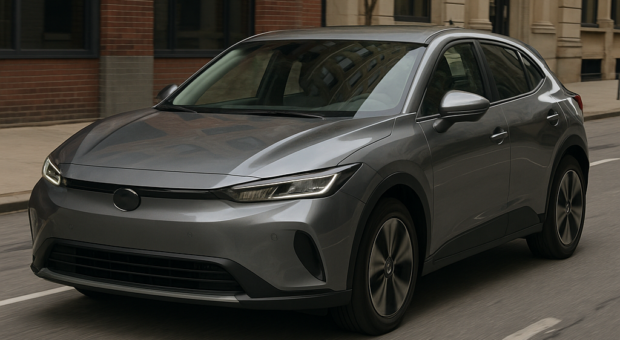
Regenerative Braking in Hybrid and Electric Cars: Real City Driving Benefits Explored
Regenerative braking is often touted as one of the standout technologies in hybrid and electric vehicles (EVs), especially for city driving. But how much does it actually improve efficiency and driving experience in everyday urban scenarios? This review dives into the real-world benefits and limitations of regenerative braking, focusing on popular plug-in hybrids and electric city cars.
What Exactly Is Regenerative Braking in EVs and Hybrids?
Regenerative braking recovers kinetic energy during deceleration and converts it back into electrical energy stored in the battery. Unlike traditional friction brakes that waste energy as heat, regen braking helps extend driving range and reduce wear on brake components.
Both hybrid cars for beginners and seasoned EV drivers benefit from regenerative braking, but its effectiveness depends on driving style, vehicle setup, and traffic conditions.
Who Is This Technology Best Suited For?
- Urban commuters: Frequent stop-and-go traffic maximizes energy recovery.
- Drivers looking to extend EV range: Regen braking helps squeeze extra miles without charging.
- Eco-conscious buyers: Reduced fuel consumption and emissions in hybrids.
- Those wanting lower maintenance costs: Less brake wear means fewer replacements over time.
If you mainly drive on highways or rural roads, regen braking’s benefits diminish since fewer deceleration events occur.
Pros of Regenerative Braking in City Driving
- Improved EV range in real life: In city traffic, regen braking can add 10-15% extra electric range. For example, a Nissan Leaf can recover up to 5 miles of range daily just from braking.
- Reduced hybrid fuel consumption: Plug-in hybrids like the Toyota Prius Prime use regen to maximize electric driving and minimize gas engine use.
- Smoother deceleration: Many EVs offer adjustable regen levels, allowing one-pedal driving that feels natural and reduces clutching brake pedals.
- Lower brake maintenance costs: Since brakes are used less aggressively, pads and rotors last significantly longer.
- Charging time in city use: Frequent regen charging slightly replenishes the battery without plugging in, beneficial if home charging isn’t always available.
Cons and Limitations to Consider
- Learning curve: Some drivers find one-pedal regen braking initially tricky, especially in heavy traffic.
- Battery degradation concerns: While regen is generally safe, aggressive regenerative braking can cause more frequent battery cycling, potentially impacting long-term battery health if not managed well.
- Inconsistent energy recovery: Regen effectiveness varies with speed and driving style; sudden stops or gentle braking recover less energy.
- Limited impact on charging costs: While regen saves energy, it doesn’t replace the need for regular charging, especially on longer trips.
- Not a substitute for friction brakes: In emergency situations, conventional brakes still take over, so regen is a complementary system, not a replacement.
Real-World Scenarios: How Regen Performs in Daily City Driving
Imagine a daily commute with heavy stoplights, speed bumps, and slow-moving traffic. Using an electric city car like the Hyundai Kona Electric with strong regenerative braking feels like driving with an extra energy-saving assistant.
- Frequent deceleration at traffic lights charges the battery slightly, adding up to 3-4 miles of range per day.
- One-pedal driving reduces foot fatigue and brake wear, especially in dense city centers.
- On routes with many downhill segments, regen braking significantly extends driving range.
- In contrast, suburban drivers with longer, uninterrupted road stretches see less regen benefit.
Charging and Daily Use: Maximizing Regenerative Braking Benefits
- Home charging vs public charging: Regenerative braking helps reduce dependence on public fast chargers by recovering energy during city drives, but overnight home charging remains essential.
- Charging time in city use: Frequent short trips with regen mean your battery often retains a higher state-of-charge, allowing quicker top-ups at home chargers.
- Battery management systems: Modern EVs intelligently manage regen to balance energy recovery and battery longevity, ensuring charging costs stay manageable over time.
- Hybrid fuel consumption: In hybrids like the Honda Clarity Plug-In, regen braking complements fuel-saving strategies, reducing gas engine use in stop-and-go traffic.
Final Thoughts: Is Regenerative Braking Worth It for Your City Commute?
If your driving involves lots of urban starts and stops, regenerative braking in a hybrid or electric car can noticeably improve your daily range, reduce fuel and maintenance costs, and make driving more engaging. Look for vehicles with adjustable regen settings and proven battery management systems to get the best balance of efficiency and longevity.
Before choosing your next electric city car or hybrid, test how regen braking feels in traffic and consider your charging habits. This technology isn’t just a buzzword—it’s a practical feature that, when used right, makes city driving greener, smoother, and more economical.
Looking for more in-depth information? You can also read one of our full guides here: How Mileage and Charging Cycles Impact Hybrid and Electric Car Battery Health and Resale Value.
Read the previous review: Practical Review of a Budget Hybrid Family SUV on Romanian Roads: Real-World Insights and Ownership Tips