
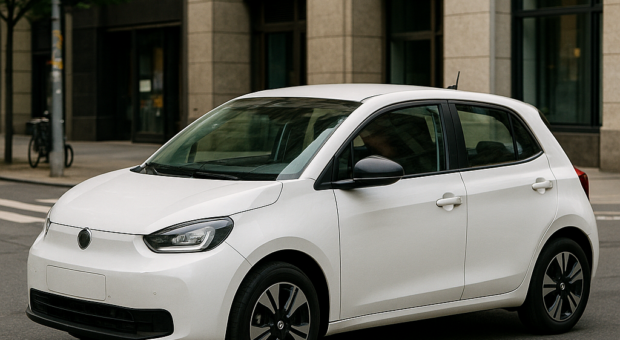
Why the Electric City Car is Perfect for Urban Life: A Practical Review of Small EVs in Real-World Traffic
Urban driving presents unique challenges: tight parking spots, stop-and-go traffic, and short daily trips. Small electric city cars have emerged as efficient, eco-friendly solutions tailored to these conditions. This review dives into the real-world experience of owning and driving a compact electric vehicle (EV) primarily in city environments, highlighting the pros, cons, and what to expect when charging and living with one.
Who Is This Electric City Car For?
If your daily routine involves:
- Short commutes under 30 miles (50 km)
- Frequent stop-start traffic
- Limited parking space
- Desire to cut down on fuel and maintenance costs
then a small electric city car is likely a great fit.
These EVs are also ideal for beginners exploring electric mobility or anyone looking to reduce their carbon footprint without sacrificing practicality. Families needing a secondary urban runabout or professionals navigating congested city streets will find these vehicles especially handy.
Pros of Small Electric Cars in City Traffic
Efficient Electric Range for Urban Use
Most compact EVs offer a realistic range of around 100-150 miles (160-240 km) on a single charge. In city traffic, regenerative braking often boosts this by recovering energy in stop-and-go conditions, making your effective daily range even better.
Easy Maneuverability and Parking
Small dimensions and tight turning radii mean:
- Navigating narrow streets is stress-free
- Parallel parking fits into tight spots
- City congestion is less of a hassle
Lower Running and Maintenance Costs
Electric motors have fewer moving parts than internal combustion engines, which translates to:
- Reduced maintenance expenses (no oil changes, fewer brake replacements)
- Lower “fuel” costs — charging an EV in the city can cost just a few dollars per week compared to gasoline
Quiet and Smooth Driving Experience
Electric city cars provide whisper-quiet operation, improving comfort and reducing noise pollution in dense urban areas.
Cons of Small Electric City Cars for Urban Drivers
Limited Highway Capability
While perfect for city streets, these EVs often:
- Lack high-speed power for extended highway driving
- Have smaller battery packs limiting long-distance trips without frequent charging stops
Charging Infrastructure Variability
Urban areas differ widely in charging station availability:
- Some neighborhoods have abundant public chargers
- Others require reliance on home charging, which may not be feasible for apartment dwellers without private parking
Battery Degradation and Range Anxiety
Although modern EV batteries degrade slowly, expect:
- Around 5-10% capacity loss over 5 years
- Slightly reduced real-world range in extreme temperatures or heavy traffic conditions
Space and Comfort Trade-Offs
Compact size means:
- Less cargo room compared to larger hybrids or EVs
- Rear seats may be tight for taller passengers
Real-World Scenarios: What to Expect in City Use
Imagine a weekday routine:
- Morning commute: 10 miles through stop-and-go traffic, often under 30 mph
- Midday errands: quick trips to grocery stores or cafes, around 3-5 miles each
- Evening return: similar 10-mile trip home
In this scenario, a small electric city car’s range easily covers the day’s distance without needing a midday recharge.
Regenerative braking helps recapture energy lost in traffic jams, stretching battery life. Parking is hassle-free with compact dimensions, and the quiet cabin offers a pleasant break from city noise.
Weekend trips beyond the city may require planning around charging stops, but most users adapt quickly by charging overnight at home or using fast chargers near shopping centers or workplaces.
Charging and Daily Use: Home Charging vs Public Charging
Home Charging
- Most convenient and cost-effective method
- Using a Level 2 home charger, expect a full charge in 4-6 hours for a 30-40 kWh battery pack
- Overnight charging covers daily urban mileage comfortably
Public Charging
- Level 3 fast chargers can recharge 80% battery capacity in 30-45 minutes, great for occasional longer trips
- In dense urban areas, availability can vary; apps like PlugShare help locate nearby chargers
- Charging costs vary but typically range from $0.15 to $0.30 per kWh, depending on location and provider
Charging Costs and Efficiency
- Electric city cars average around 3-4 miles per kWh in urban traffic
- Charging at home during off-peak hours can reduce costs significantly compared to public stations
- Monitoring charging habits helps optimize efficiency and battery health
What to Look for in Real-World Ownership
When considering a small electric city car, pay attention to:
- Battery warranty and health: Ensure at least 8 years or 100,000 miles coverage
- Charging options: Confirm compatibility with home and local public chargers
- Interior comfort: Test rear seats and cargo space for your daily needs
- Infotainment and connectivity: Features like smartphone integration and real-time charging station locators enhance usability
- Climate control efficiency: Heating and cooling systems can affect battery range significantly in extreme weather
For urban drivers seeking a nimble, cost-effective, and eco-friendly ride, small electric city cars offer a compelling package. Understanding their strengths and limitations in real-world city traffic helps you make the most of your investment and enjoy smooth, sustainable urban mobility.
Looking for more in-depth information? You can also read one of our full guides here: How to Maximize Efficiency and Range in Heavy Urban Traffic with Hybrid and Electric Cars.
Read the previous review: Regenerative Braking in Electric and Hybrid Cars: Real Benefits for City Driving Explored