
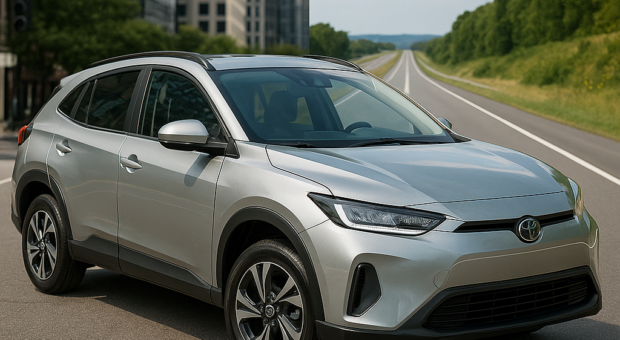
City vs Highway Driving with the Toyota Prius Prime: A Real-World Hybrid Car Review
When it comes to choosing a hybrid car that performs well in both city streets and highway cruising, the Toyota Prius Prime remains a popular contender. This plug-in hybrid electric vehicle (PHEV) blends electric-only driving with a gasoline engine backup, making it a versatile option for many drivers. But how does it handle the different driving conditions you face daily? Let’s break down the pros and cons of city vs highway driving with the Prius Prime, what you should expect in real-world ownership, and key considerations like charging and fuel consumption.
Who is the Toyota Prius Prime hybrid car for?
The Prius Prime is ideal for drivers who want to reduce fuel costs and emissions but aren’t ready to go fully electric. It suits:
- Commuters with a mixed driving routine: short city trips combined with longer highway drives.
- Eco-conscious drivers looking for an electric city car option with backup gas range.
- Those who have access to home charging but occasionally rely on public chargers.
- Beginners in the hybrid segment wanting a reliable, easy-to-use vehicle with proven technology.
If your daily routes are mostly urban with frequent stop-and-go traffic, the Prius Prime’s electric mode can cover up to 25 miles on battery power alone. For longer highway journeys beyond the electric range, the hybrid system seamlessly switches to gasoline, extending total range close to 640 miles.
Pros of the Prius Prime for city and highway driving
- Electric city car efficiency: Up to 25 miles of electric-only driving means zero fuel use and zero emissions in urban areas.
- Smooth transition between electric and hybrid modes: The car automatically decides when to use the battery or gasoline engine.
- Regenerative braking: Recovers energy during stop-and-go traffic, improving hybrid fuel consumption.
- Comfortable highway cruising: Quiet cabin and stable handling make longer drives relaxing.
- Low charging costs: Charging at home typically costs less than $1 for a full battery charge, compared to several dollars in fuel savings.
- Reduced battery degradation risk: Moderate battery size and Toyota’s battery management system help maintain battery health over time.
Cons when using the Prius Prime in city vs highway scenarios
- Limited electric range: The 25-mile EV range isn’t sufficient for longer city commutes without using gasoline.
- Charging time in city use: A full charge takes about 5.5 hours on a standard 120V outlet, requiring overnight charging for daily use.
- Reduced fuel economy at high speeds: Highway fuel economy tends to drop from the high 50+ mpg city ratings to around 40 mpg at 70 mph.
- Less cargo space: The battery pack reduces trunk space compared to non-plug-in Prius models.
- Public charging infrastructure dependency: Without home charging, relying on public chargers can be inconvenient and sometimes costly.
Real-world scenarios: EV range and hybrid fuel consumption
Consider a commuter living 20 miles from work in a city with moderate traffic. Driving solely in electric mode is feasible, meaning:
- Daily commute uses no gasoline.
- Charging overnight at home replenishes the battery.
- Fuel consumption essentially drops to zero during the workweek.
However, if the commute includes highway segments or distances beyond 25 miles, the gasoline engine kicks in:
- Hybrid fuel consumption averages about 50 mpg in mixed driving.
- On highway-only trips, expect fuel economy closer to 40 mpg.
- Battery charge can be preserved for city driving later in the day.
For weekend road trips, the Prius Prime provides flexibility without range anxiety, combining electric driving when possible and reliable gasoline backup.
Charging and daily use: Home charging vs public charging
- Home charging: Ideal for most Prius Prime owners. Using a standard 120V outlet, charging takes about 5.5 hours from empty to full. Installing a 240V Level 2 charger halves charging time to around 2 hours.
- Public charging: Useful for topping up during the day. Many public Level 2 chargers add 10-20 miles of range per hour. DC fast charging is generally not supported on the Prius Prime.
- Charging costs: Home electricity rates vary but typically cost under $1 to fully recharge the battery, a fraction of gasoline costs for the same mileage.
What to watch for in real-world ownership of a hybrid city car
- Battery health: Toyota’s battery warranty covers 8 years or 100,000 miles, but keeping the battery between 20% and 80% charge during daily use can extend its lifespan.
- Driving style: Smooth acceleration and regenerative braking maximize electric and hybrid efficiency.
- Climate impact: Cold weather reduces EV range and fuel economy; plan trips accordingly.
- Maintenance: Hybrid systems generally require less maintenance than traditional engines, but regular checks on battery, inverter, and cooling system are essential.
- Software updates: Toyota periodically improves system efficiency and charging management via over-the-air updates.
For eco-conscious drivers balancing city errands with highway trips, the Toyota Prius Prime offers a compelling blend of electric and hybrid driving. Understanding its real-world EV range, charging times, and fuel consumption helps you optimize ownership costs and environmental benefits. Whether you’re a daily urban commuter or occasional highway traveler, this hybrid car adapts to your lifestyle — provided you have reliable access to charging and a driving routine that fits its electric range.
Looking for more in-depth information? You can also read one of our full guides here: How to Cut Ownership and Repair Costs on Electric and Hybrid Cars: A Practical Guide for Owners.
Read the previous review: Why the Electric City Car is Perfect for Urban Life: A Practical Review of Small EVs in Real-World Traffic