
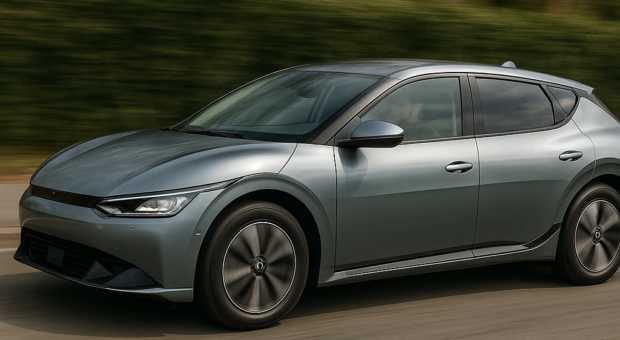
How Electric and Hybrid Cars Really Perform on Noise, Vibration, and Ride Comfort: A Practical Review
Electric and hybrid vehicles have reshaped the driving experience, but how do they stack up when it comes to noise, vibration, and ride comfort? This review dives into the real-world performance of a popular hybrid crossover, the Toyota RAV4 Hybrid, focusing on what drivers can expect beyond just fuel economy and emissions.
Who is This Hybrid SUV for?
The Toyota RAV4 Hybrid targets drivers who want the versatility of an SUV with the efficiency of hybrid technology. It’s:
- Ideal for families seeking a quieter, smoother ride on daily commutes and weekend trips.
- Practical for urban dwellers needing a reliable hybrid car for beginners transitioning from conventional vehicles.
- Suitable for drivers prioritizing lower fuel costs and reduced noise without sacrificing ride height or cargo space.
If you want a hybrid that balances comfort, utility, and eco-friendliness, the RAV4 Hybrid fits well.
Pros: Quiet Cabin and Refined Ride in a Hybrid Car
Electric Motor Benefits on Noise Levels
One of the standout features of the RAV4 Hybrid is its silent electric motor at low speeds. When driving in EV mode around town, the cabin remains nearly noise-free, making it an excellent electric city car for those sensitive to engine noise.
- Engine noise is minimal at speeds below 30 mph.
- Road and wind noise become more apparent only on highways beyond 60 mph.
- Electric motor transitions are smooth with no abrupt sounds or vibrations.
Vibration Control and Suspension Tuning
The suspension system is tuned to absorb bumps effectively, resulting in a comfortable ride over rough urban roads and highways alike.
- Minimal vibration transmitted through the steering wheel or seats.
- Suspension balances firmness and softness, making it suitable for daily use and longer trips.
Hybrid Fuel Consumption and Efficiency
The RAV4 Hybrid delivers impressive fuel economy in mixed driving scenarios:
- Real-world fuel consumption around 38-40 mpg combined.
- Regenerative braking helps maintain battery charge during stop-and-go traffic.
- Hybrid powertrain switches seamlessly between electric and gasoline modes, reducing overall noise and vibration.
Cons: What to Watch Out For in Real-World Ownership
Battery Degradation and Range Limitations
While the RAV4 Hybrid doesn’t rely solely on electric power, the battery does degrade over time, impacting electric-only range and hybrid efficiency.
- Expect gradual capacity loss after 100,000 miles.
- Reduced EV mode availability in extreme temperatures.
- Unlike plug-in hybrids, the RAV4 Hybrid cannot be externally charged, so charging time in city use isn’t applicable.
Noise at High Speeds
As speeds increase, wind and road noise become more noticeable compared to fully electric vehicles.
- At highway speeds (70+ mph), cabin noise rises, which might affect long-distance comfort.
- Tire noise from all-season tires is more audible than in some luxury hybrids.
Ride Firmness on Rough Roads
While generally comfortable, some drivers report that the suspension can feel slightly firm over potholes or uneven surfaces, which may not suit those wanting a plush ride.
Real-World Scenarios: How the RAV4 Hybrid Performs Daily
City Driving and Stop-and-Go Traffic
In urban environments, the hybrid’s electric motor shines:
- Smooth acceleration without engine noise.
- Quiet stops and starts reduce driver fatigue.
- Fuel savings become apparent with frequent regenerative braking.
Suburban and Highway Commutes
For highway trips, the hybrid system keeps the engine running efficiently but:
- Expect less of the silent EV feel; gasoline engine noise dominates.
- Vibration stays controlled but is more noticeable at sustained high speeds.
- Cruise control and adaptive safety features add to comfortable long drives.
Charging and Daily Use: What to Expect Without Plug-in Capability
Unlike plug-in hybrids or fully electric cars, the RAV4 Hybrid charges its battery via the engine and regenerative braking, so:
- No need to install home charging stations.
- No public charging stops required — just regular refueling.
- Charging costs are replaced by significantly improved fuel economy, lowering overall running costs.
- No concerns about charging time in city use or public charging availability.
This makes the RAV4 Hybrid a low-maintenance hybrid option for drivers hesitant about electric infrastructure.
Final Thoughts for Buyers Considering Hybrid Comfort and NVH
If your priority is a hybrid car for beginners or an electric city car experience without the hassle of external charging, the Toyota RAV4 Hybrid offers a compelling balance of quietness, low vibration, and ride comfort. It’s a practical daily driver with hybrid fuel consumption benefits and fewer compromises on comfort than many rivals.
Look for models with well-maintained batteries and test the ride on your typical roads to ensure the suspension suits your preferences. Understanding the limits of EV range in real life and how noise evolves with speed will help you set realistic expectations.
Ultimately, this hybrid SUV is a smart choice for those valuing a quieter commute, reasonable charging costs (in terms of fuel), and a comfortable ride—without switching fully to electric.
Looking for more in-depth information? You can also read one of our full guides here: How to Check Battery Health, Service Records, and Software Updates in Hybrid and Electric Cars.
Read the previous review: Regenerative Braking in Hybrid and Electric Cars: Real City Driving Benefits Explored