
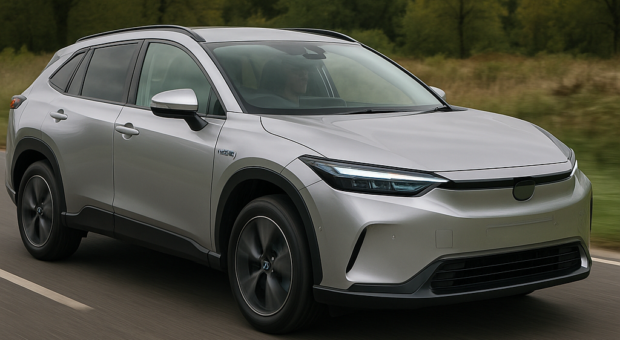
Hybrid Driving Modes Reviewed: When Electric-Only Mode Truly Saves Fuel and Money
Hybrid cars promise the best of both worlds: electric driving for efficiency and combustion power for range. But how effective is the electric-only mode in real life? This review dives into hybrid driving modes, focusing on when electric mode really shines and what to expect from ownership.
Who is this hybrid car for? Understanding the electric city car advantage
Hybrid cars are ideal for drivers who want to cut fuel costs without range anxiety. If you mainly drive in urban environments with lots of stop-and-go traffic, electric-only mode can handle short trips silently and efficiently.
- Commuters traveling less than 30 miles a day
- Drivers with access to frequent charging at home or work
- Eco-conscious buyers who want to reduce emissions without full EV limitations
For longer highway trips, hybrids switch to petrol-electric mode automatically, so you get flexibility plus fuel savings in daily city use.
Pros of electric-only driving modes in hybrids
Electric-only mode in hybrids like the Toyota Prius or Honda Insight offers several real-world benefits:
- Fuel savings: Short trips under electric power significantly reduce gasoline consumption, often improving overall hybrid fuel consumption by 20-30%.
- Reduced emissions: Zero tailpipe emissions when driving on electric mode, ideal for low-emission zones.
- Quiet city driving: Electric mode eliminates engine noise in stop-and-go traffic, improving comfort.
- Smooth acceleration: Electric motors provide instant torque, making urban driving responsive.
For example, the Toyota Prius can run on electric power alone up to 25-35 mph for about 1-2 miles, perfect for quick errands or school runs.
Cons: When electric mode falls short
Despite the appeal, electric-only mode in hybrids has limits that owners should understand:
- Limited electric range: Most non-plug-in hybrids only provide 1-2 miles of electric driving, which may not cover longer city trips fully.
- Battery recharge depends on driving: The battery recharges through regenerative braking and the engine, so aggressive acceleration or highway driving reduces electric-only availability.
- Charging constraints: Unlike plug-in hybrids, conventional hybrids cannot be plugged in, so electric mode depends purely on the battery state and driving conditions.
- Complexity and cost: Hybrid systems add maintenance considerations and can be more expensive to repair than conventional cars.
Real-world hybrid car scenarios: electric driving in practice
Imagine a suburban commuter who drives 15 miles round-trip mostly on city streets. With a hybrid like the Hyundai Ioniq Hybrid, the electric-only mode activates frequently at low speeds and stoplights, saving roughly 30% in fuel compared to a conventional car.
However, if that same driver takes a 70-mile highway trip, the petrol engine runs continuously, and electric-only mode rarely kicks in. For plug-in hybrids like the Kia Niro PHEV, the electric range extends up to 26 miles, allowing most daily drives to be fully electric when charged regularly.
EV range in real life: what affects electric-only distance?
- Temperature extremes can reduce battery efficiency.
- Driving style: aggressive acceleration drains battery faster.
- Terrain: hilly areas consume more energy than flat city roads.
- Use of accessories like air conditioning can impact electric range.
Charging and daily use: home charging vs public charging for hybrids and PHEVs
Traditional hybrids don’t require external charging, but plug-in hybrids rely on regular charging to maximize electric-only driving.
- Home charging: Most PHEV owners plug in overnight using a Level 1 (120V) outlet, adding 10-15 miles of electric range per 6-8 hours.
- Public charging: Level 2 chargers (240V) can fully recharge a PHEV battery in 2-3 hours, enabling more electric driving during the day.
- Charging costs: Electricity to fill a PHEV battery typically costs less than a gallon of gas, saving money over time.
For drivers without reliable home charging, electric-only benefits diminish, so considering charging infrastructure is key before buying a PHEV.
Battery degradation and long-term ownership considerations
Hybrid batteries are designed for durability, often lasting 8-10 years or more. Still, battery capacity can degrade slowly, reducing electric-only range.
- Most manufacturers offer warranties covering battery performance for 8-10 years or 100,000 miles.
- Replacement costs vary but can be several thousand dollars, so checking battery health during used hybrid purchase is essential.
- Driving habits and climate impact battery longevity—extreme heat or cold can accelerate degradation.
What to look for when choosing a hybrid or plug-in hybrid car
- Electric-only range: If you want most city trips on electric power, consider a plug-in hybrid with at least 20 miles of electric range.
- Charging options: Ensure convenient access to home or workplace charging.
- Fuel economy ratings: Look for real-world hybrid fuel consumption figures, not just official test numbers.
- Driving style: Evaluate if your typical routes allow electric mode to engage frequently.
- Maintenance and warranty: Understand hybrid-specific service needs and battery coverage.
Final thoughts on hybrid electric driving: making the most of electric-only mode
Electric-only driving in hybrids is a practical way to reduce fuel costs and emissions without compromising range. It works best for those with predictable, short urban trips and access to charging in plug-in models. Understanding the limits of electric mode, battery care, and real-world driving conditions helps owners maximize benefits. Whether a hybrid car for beginners or a plug-in model for eco-conscious commuters, knowing when electric-only mode really works can transform your daily drive into a greener, more efficient experience.
Looking for more in-depth information? You can also read one of our full guides here: Most Reliable Electric and Hybrid Cars for Daily Commuting: A Practical Guide.
Read the previous review: City vs Highway Driving with the Toyota Prius Prime: A Real-World Hybrid Car Review