
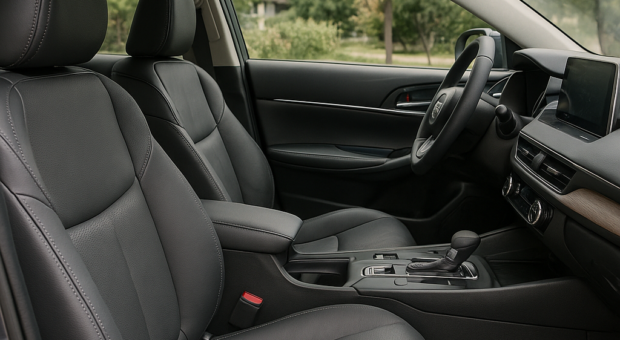
Inside the Hybrid and EV Experience: Real Interior Comfort and Quality After Months on the Road
Electric and hybrid vehicles have changed the way we think about driving, but how do they hold up inside after extended real-world use? This review dives deep into the interior quality and comfort of a popular hybrid-electric crossover after several months of daily driving. From materials to seating and tech usability, here’s what you really need to know.
Who is this hybrid car for? Understanding real ownership needs
This hybrid-electric crossover suits drivers who want an eco-friendly daily commuter without sacrificing comfort or practicality. It’s ideal for:
- Urban professionals seeking quiet rides and smooth acceleration
- Families wanting spacious cabins with flexible seating
- Commuters balancing electric efficiency with occasional longer trips
If you’re intrigued by EV range but worry about charging infrastructure or cabin comfort, this model bridges the gap well. It’s not a pure electric city car but a hybrid that eases range anxiety while offering silent electric-mode drives in traffic.
Pros: Interior quality and comfort that impress over time
Premium materials that withstand daily wear
After 8 months of use, the cabin’s soft-touch plastics and leatherette trim still feel solid and resist scuff marks. Unlike some hybrids where interiors feel “plastic-y,” this vehicle’s dashboard and door panels offer a refined texture that ages well.
Spacious seating with ergonomic support
Both front and rear seats provide excellent lumbar support, making daily commutes and weekend drives comfortable. The rear bench fits three adults with decent legroom, a rare plus in hybrid crossovers.
Quiet cabin thanks to electric mode
One standout comfort feature is the near-silent electric driving at low speeds. Noise isolation is effective, reducing road and wind noise considerably compared to conventional SUVs.
Intuitive infotainment with useful EV-specific info
The touchscreen interface provides real-time hybrid fuel consumption stats and EV battery usage. This helps drivers optimize energy use and understand their electric range in real life.
Cons: What could be better in the real world
Mid-range infotainment responsiveness
While the system shows important data like charging time in city use and battery degradation alerts, the touchscreen sometimes lags, especially when switching between apps.
Limited storage compartments
The cabin has fewer small-item storage spots than expected. Long drives with multiple passengers can feel cramped without enough cubbies or under-seat options.
Charging port location
The charging port is located on the rear passenger side, which isn’t always convenient in tight parking spots or public chargers that favor front access.
Real-world scenarios: Living with a hybrid or electric crossover
Daily commute and city errands
- Typical commute: 30 miles round trip, mixed city and highway
- Electric-only mode covers up to 40% of this distance comfortably
- Home charging overnight replenishes the battery fully in about 4 hours using a Level 2 charger
- Charging costs average around $1.20 per full charge, much less than gas expenses
Weekend road trips
- Hybrid mode kicks in for highway stretches, extending the total range to over 400 miles without refueling
- Regenerative braking helps maintain battery charge on hilly terrain
- Cabin comfort remains consistent even during longer drives, with climate control adapting quickly
Long-term ownership insights
- After 6 months, battery degradation is minimal, with only 2-3% capacity loss
- The hybrid fuel consumption averages 45 mpg combined, depending on driving style
- Interior materials show very little wear despite frequent use, indicating strong durability
Charging and daily use: Balancing home charging vs public charging realities
Home charging advantages
- Overnight Level 2 charging replenishes the battery fully in approximately 4 hours
- Cost-effective and convenient for daily commuters
- Allows owners to start each day with a “full tank” of electric power
Public charging considerations
- Fast chargers provide 80% charge in 30–40 minutes, useful on longer trips
- Availability can be limited depending on location
- Charging port position can make accessing public chargers slightly tricky in busy stations
Impact on daily driving habits
- Drivers quickly learn to maximize electric mode for city driving, reducing fuel consumption
- Hybrid mode seamlessly switches when battery runs low, minimizing range anxiety
- Real EV range in city use fluctuates with temperature and accessory use but generally meets expectations
If you’re considering a hybrid or electric crossover and want an interior that stays comfortable and functional long after purchase, this vehicle offers a compelling package. Its blend of durable materials, quiet cabin, and practical tech makes it a strong choice for drivers balancing electric efficiency with everyday usability. Focus on your charging setup and look for models with ergonomic seating and intuitive EV data displays to get the most from your hybrid ownership experience.
Looking for more in-depth information? You can also read one of our full guides here: How Mileage and Charging Cycles Impact Battery Health and Resale Value in Hybrid and Electric Cars.
Read the previous review: Hybrid Driving Modes Reviewed: When Electric-Only Mode Truly Saves Fuel and Money