
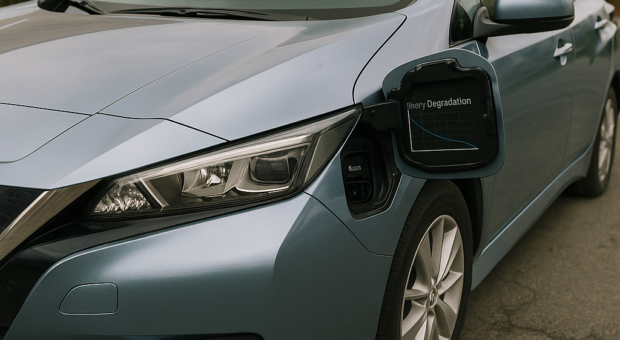
Real-World Battery Degradation and Ownership Insights for Electric and Hybrid Cars
Electric and hybrid vehicles are becoming the go-to choice for many drivers aiming to reduce emissions and fuel costs. However, one of the most common concerns remains battery degradation after extended use. This review dives deep into the practical aspects of owning an electric or hybrid car, focusing on battery longevity, charging habits, and what owners can realistically expect over time.
Who is This Electric or Hybrid Car Ideal For?
Whether you’re considering your first hybrid car or switching to a fully electric city car, it’s important to identify if these vehicles fit your lifestyle.
- Urban commuters who need a compact electric city car with quick charging times.
- Eco-conscious drivers looking to lower their carbon footprint without sacrificing convenience.
- Long-distance travelers who want a hybrid car for beginners with extended fuel range and backup petrol options.
- Tech enthusiasts eager to leverage new electric car technologies and smart charging systems.
Understanding your daily mileage and charging access is key to choosing between hybrid fuel consumption efficiency and full EV benefits.
Pros of Extended Electric Vehicle Use: What Battery Life Really Looks Like
Battery degradation is often misunderstood. Real-world data from owners of popular models like the Nissan Leaf, Tesla Model 3, and Toyota Prius Prime show:
- Typical battery capacity loss ranges from 5% to 15% after 100,000 miles.
- Most EV batteries retain around 85% capacity after 8 years of mixed city and highway driving.
- Hybrid car batteries usually degrade slower due to smaller battery packs and less deep cycling.
- Regenerative braking and smart battery management systems help extend battery life.
- Home charging overnight using Level 2 chargers (240V) balances charging speed and battery health.
Cons: What to Watch Out for in Battery Degradation and Usage
Despite improvements, some challenges remain with battery aging:
- Reduced EV range as battery capacity declines — expect about 10–15 miles less range per 10% degradation.
- Longer charging times as battery chemistry ages and charging speed tapers off.
- Cold weather impacts can temporarily reduce battery efficiency and range by 20-30%.
- Costly battery replacement might become necessary after 8–10 years, running upwards of $5,000 to $15,000 depending on model.
- Some older hybrids may experience premature battery wear if frequently driven in heavy stop-and-go traffic.
Real-World Scenarios: Battery Degradation in Everyday Driving
Consider a Tesla Model 3 owner who drives about 40 miles daily, charging mainly at home overnight. After 5 years and 75,000 miles, their battery capacity dropped roughly 8%, translating into about 10 fewer miles of range. They noticed slightly longer charging times but no significant impact on daily usability.
A Toyota Prius hybrid driver with mostly city driving and frequent short trips saw their battery degrade minimally after 6 years thanks to the battery’s smaller size and hybrid system support. Their hybrid fuel consumption remained excellent, averaging 50 mpg.
Charging and Daily Use: Home Charging vs Public Charging Costs and Times
Charging habits heavily influence battery life and ownership satisfaction.
Home Charging Advantages
- Lower charging costs: average home electricity rate at $0.13/kWh means a full 60 kWh EV battery costs about $7.80 to charge.
- Convenient overnight charging with 7-10 hours on Level 2 chargers.
- Less strain on the battery due to slower, controlled charging rates.
Public Charging Considerations
- Faster charging stations (DC fast chargers) can replenish 80% battery in 30-45 minutes but increase battery heat and stress.
- Public charging costs vary widely, often $0.25–$0.60 per kWh, raising daily running costs.
- Ideal for road trips or urgent top-ups but not recommended as the primary charging method.
What to Look For When Buying an Electric or Hybrid Car Used
- Check battery health reports if available; many manufacturers provide diagnostics.
- Ask about charging habits and usage patterns from previous owners.
- Look for warranty coverage on the battery, which often lasts 8 years or 100,000 miles.
- Consider the climate where the car was mostly used—extreme temperatures can accelerate battery wear.
- Review EV range in real life, not just manufacturer estimates, by reading owner forums and reviews.
Understanding these factors helps you anticipate how your EV or hybrid will perform years down the line.
Battery degradation is a natural part of electric and hybrid car ownership, but with proper care and realistic expectations, it rarely spoils the ownership experience. Choosing the right vehicle for your driving patterns and managing charging smartly can keep your EV or hybrid running efficiently for many years.
Looking for more in-depth information? You can also read one of our full guides here: What You Need to Know About Insurance Before Buying an Electric or Hybrid Car.
Read the previous review: How Electric and Hybrid Cars Really Perform on Noise, Vibration, and Ride Comfort: A Practical Review