
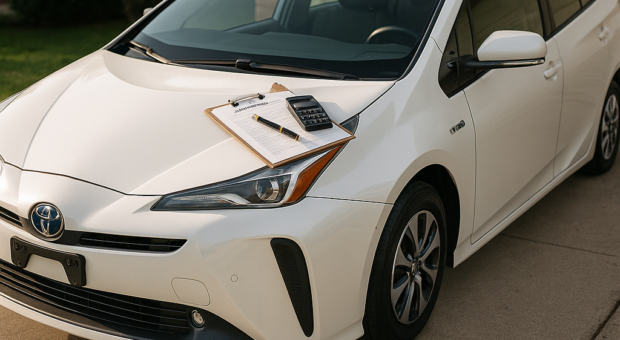
What First-Time Buyers Need to Know About Hybrid and Electric Car Insurance and Ownership Costs
Switching to a hybrid or electric vehicle (EV) can be exciting, but understanding the insurance and ownership costs upfront helps avoid surprises. This review dives into practical insights for first-time electric or hybrid car buyers, focusing on real-world expenses and considerations beyond just the sticker price.
Who is a hybrid car for beginners or an electric city car ideal for?
Hybrid and electric vehicles suit different lifestyles and needs. If your daily commute involves city driving or short trips, an electric city car with a modest range (around 150-220 miles) can be perfect. Hybrids, on the other hand, are a great fit if you want to reduce fuel consumption without worrying about charging infrastructure.
- Urban commuters who want zero-emission driving on short trips
- Drivers with access to home charging or reliable workplace charging
- Budget-conscious buyers looking to save on fuel but worried about range anxiety
- Families seeking quieter, smoother rides without sacrificing daily usability
Pros of owning a first-time electric or hybrid vehicle
Hybrid and electric cars offer several advantages that can make ownership rewarding:
- Lower fuel costs: Hybrids typically deliver 40-60 mpg in mixed driving; electric cars cost about $0.03–$0.05 per mile charging at home, much cheaper than gasoline.
- Reduced maintenance: EVs have fewer moving parts—no oil changes, fewer brake replacements due to regenerative braking.
- Tax incentives and rebates: Many regions offer financial incentives that lower upfront costs and insurance premiums.
- Quieter driving experience with instant torque and smooth acceleration.
- Environmental benefits: Reduced tailpipe emissions contribute to cleaner air.
Cons to consider: insurance, battery degradation, and charging realities
While attractive, hybrids and EVs come with some ownership challenges:
- Higher insurance premiums: EVs often cost 10-20% more to insure due to repair costs and specialized parts.
- Battery degradation: Expect around 5-10% capacity loss over 5 years; warranty coverage varies by manufacturer.
- Charging times: Even fast chargers take 30-45 minutes to reach 80% charge; home charging typically requires 6-12 hours overnight.
- Upfront cost: Though prices are dropping, hybrids and EVs usually have higher initial purchase prices.
- Public charging costs: Fast public chargers can cost more than home electricity, affecting running costs during long trips.
Real-world ownership scenarios: insurance costs and fuel savings
Consider a typical compact electric car like the Nissan Leaf or Toyota Prius hybrid:
- Insurance: For a first-time buyer aged 25-35, annual insurance can range from $1,200 to $1,600 for an EV, compared to $900-$1,200 for a similar gasoline car.
- Fuel and charging costs: Driving 12,000 miles per year, a hybrid averaging 50 mpg costs about $720 in fuel (assuming $3/gallon gas). An EV consuming 30 kWh/100 miles at $0.13/kWh costs roughly $468 annually charging at home.
- Battery warranty: Most manufacturers offer 8 years or 100,000 miles warranty on batteries, reducing long-term risk.
- Maintenance: Hybrids might require additional servicing for the gasoline engine; EVs generally save on oil changes and brake wear.
Charging and daily use: home charging vs public charging and charging time in city use
For city drivers, charging options significantly affect convenience and costs.
- Home charging: A Level 2 charger (240 volts) installed at home can recharge a typical EV overnight (6-8 hours). Installation costs vary from $500 to $1,500.
- Public charging: Fast chargers (DCFC) provide 80% charge in 30-45 minutes but are more expensive—about $0.30-$0.50 per kWh compared to $0.12-$0.15 at home.
- Charging time in city use: Most daily trips don’t fully drain the battery, allowing overnight home charging to cover routine driving needs.
- Hybrid fuel consumption: In stop-and-go city traffic, hybrids shine by using electric power at low speeds, boosting fuel efficiency to 50+ mpg.
What to look for when buying your first hybrid or electric car
When choosing your first EV or hybrid, pay attention to:
- Realistic EV range in real life: Look for models with at least 150 miles of range for stress-free daily driving.
- Charging infrastructure availability: Consider your home setup and nearby public chargers.
- Battery warranty and expected degradation: A strong warranty and documented battery life help protect your investment.
- Insurance quotes: Get insurance estimates before buying to avoid surprises.
- Total cost of ownership: Factor in not just the sticker price but fuel savings, maintenance, insurance, and potential incentives.
Owning a first hybrid or electric car is increasingly practical and rewarding, especially when you understand the insurance and ownership costs upfront. With careful planning around charging habits and insurance, your transition to cleaner, more efficient driving can be smooth and affordable.
Looking for more in-depth information? You can also read one of our full guides here: When to Sell Your Electric or Hybrid Car Instead of Upgrading the Battery: A Practical Ownership Guide.
Read the previous review: Inside the Hybrid and EV Experience: Real Interior Comfort and Quality After Months on the Road