
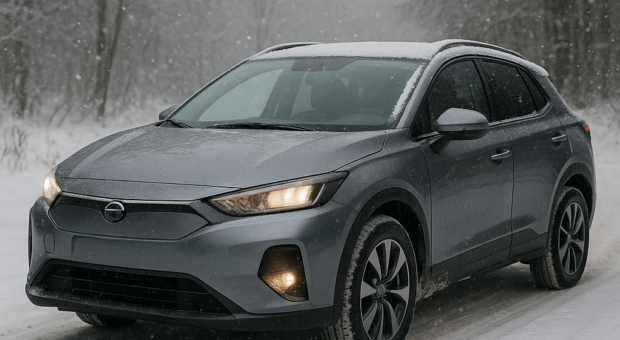
Real-World Cold Weather Performance and Tips
Cold weather can challenge any vehicle, but electric and hybrid cars face unique hurdles when temperatures drop. If you’re considering an electric city car or a hybrid car for beginners, understanding how these vehicles behave in winter is essential for a confident ownership experience. This review dives into real-world insights on EV range in real life, hybrid fuel consumption in cold climates, charging costs, and practical tips for winter driving.
Who is This Electric or Hybrid Car Ideal For in Winter?
Electric and hybrid vehicles are increasingly popular with drivers who prioritize efficiency and lower emissions year-round. But winter adds an extra layer of complexity:
- Urban commuters who want to avoid fuel stops and enjoy quiet, smooth rides.
- Suburban families seeking a hybrid car with reliable fuel consumption even in cold conditions.
- Environmentally conscious drivers willing to adapt to some range loss for green benefits.
- Drivers with home charging setups who can avoid frequent public chargers in winter.
If you regularly face subfreezing temperatures and need longer daily ranges without sacrificing comfort, knowing how your EV or hybrid performs in winter is key.
Pros of Electric and Hybrid Cars in Cold Weather
Electric and hybrid vehicles bring several advantages despite winter challenges:
- Instant torque for better traction: Electric motors deliver torque immediately, helping with grip on icy roads.
- Regenerative braking improves control: In slippery conditions, regenerative braking can provide smoother deceleration.
- Hybrid fuel consumption remains reasonable: Many hybrids switch between electric and gasoline power, reducing cold start fuel burn.
- Cabin heating options: Heat pumps in newer EVs efficiently warm the cabin without drastically reducing range.
- Reduced maintenance worries: No cold-related oil thickening or glow plugs to worry about.
For example, a 2023 Nissan Leaf with a heat pump can maintain around 70-80% of its rated range at 20°F (-6°C), which is significantly better than older EVs without this technology.
Cons of Electric and Hybrid Vehicles During Winter
While there are benefits, some downsides affect winter ownership:
- Reduced EV range: Cold temperatures can reduce battery efficiency by 20-40%, depending on model and battery chemistry.
- Longer charging times: Charging time in city use can increase as batteries warm up slower in cold weather.
- Battery degradation concerns: Repeated exposure to freezing temps with low charge levels can accelerate battery wear.
- Heating drains battery: Using resistive heaters in older EVs can halve available driving range.
- Slower regenerative braking: Less effective if road conditions prompt cautious driving.
A real-world example: A Toyota Prius hybrid can see a fuel consumption increase from 50 MPG in mild weather to around 40 MPG in freezing conditions due to engine warm-up and heater use.
Real-World Scenarios: EV Range and Hybrid Fuel Consumption in the Cold
When driving an electric city car like the Chevrolet Bolt in winter, expect the estimated 259-mile EPA range to drop to about 160-190 miles on cold days. For hybrids such as the Honda CR-V Hybrid, the electric motor assists more during acceleration, but the gasoline engine runs more frequently to maintain cabin heat, resulting in about 10-15% higher fuel consumption.
Tips from owners include:
- Preconditioning the battery and cabin while still plugged in to reduce energy drain.
- Using seat heaters instead of full cabin heating to save battery power.
- Planning routes to include fast chargers if longer trips are necessary.
- Monitoring tire pressure closely, as cold air reduces it and impacts efficiency.
Charging and Daily Use: Home Charging vs Public Charging in Winter
For winter EV owners, charging strategy greatly influences convenience and costs:
- Home charging: The most convenient and cost-effective option. Plugging in overnight allows batteries to warm gradually and ensures a full charge in the morning.
- Public charging: Slower charging times in cold weather can add frustration. Fast chargers may still operate efficiently but expect slight increases in time.
- Charging costs: Electricity rates can vary, but charging at home overnight during off-peak hours is generally cheaper than public DC fast charging.
Example charging times:
- A Tesla Model 3 Long Range may take 30-40 minutes for an 80% charge at a Supercharger, but in cold weather, it may extend by 10-15 minutes.
- A plug-in hybrid like the Toyota RAV4 Prime typically takes around 4-5 hours on a Level 2 charger at home, with minimal impact from cold temps since the battery is smaller.
What to Look for in Real-World Ownership This Winter
If you’re eyeing a hybrid or electric vehicle for winter driving, consider these practical factors:
- Battery thermal management: Models equipped with active battery heating and cooling systems handle cold weather much better.
- Heat pump technology: Efficient cabin heating reduces range loss compared to resistive heaters.
- Range buffer: Choose an EV with a range comfortably above your daily needs to account for cold weather drops.
- Preconditioning features: Remote start and pre-warming can save energy and improve comfort.
- Winter tires: Invest in quality winter tires to maximize traction and safety.
- Charging infrastructure: Ensure access to reliable home or workplace charging to avoid dependence on slower or less available public chargers.
Electric and hybrid cars require some adaptation in winter, but with the right preparation and vehicle choice, they remain practical and enjoyable year-round. Understanding how cold weather affects EV range in real life and hybrid fuel consumption helps you plan smarter trips and optimize charging routines. Whether you’re navigating city streets or snowy suburban roads, these insights will help you stay efficient, safe, and comfortable all winter long.
Looking for more in-depth information? You can also read one of our full guides here: Most Reliable Electric Motors and Hybrid Systems for Long-Term Ownership: A Practical Guide.
Read the previous review: Winter Driving with Electric and Hybrid Cars: Real-World Cold Weather Performance and Tips