
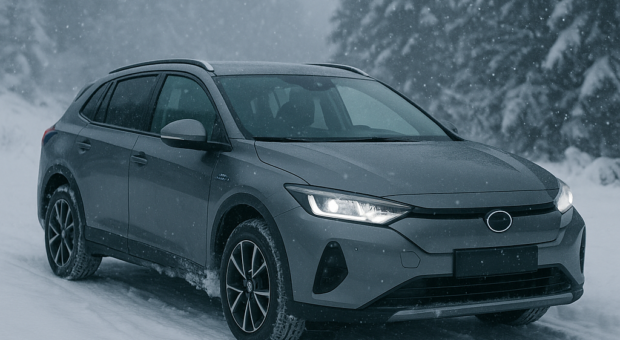
Winter Driving with Electric and Hybrid Cars: Real-World Cold Weather Performance and Tips
Electric vehicles (EVs) and hybrids are gaining popularity, but how do they behave when temperatures drop? Cold weather can impact battery efficiency, range, and charging times, making winter driving a unique challenge for EV and hybrid owners. This review explores what to expect from these vehicles in winter, focusing on practical ownership insights and real-life scenarios.
Who is This Electric or Hybrid Car for in Cold Climates?
If you live in an area with harsh winters, you might be wondering whether an electric city car or a hybrid car for beginners suits your daily commute and lifestyle. These vehicles are ideal for:
- Drivers with predictable daily routes under 100 miles
- Those who have access to home charging and can charge overnight
- Eco-conscious motorists wanting to reduce winter emissions
- Urban dwellers who benefit from regenerative braking in stop-and-go traffic
However, drivers tackling long highway trips or rural areas with limited charging infrastructure may need to consider range and charging options carefully.
Pros of Electric and Hybrid Cars in Winter Driving
Electric and hybrid cars offer several advantages even in colder months:
- Instant torque and smooth acceleration on icy roads improve handling
- Regenerative braking helps maintain control on slippery surfaces
- Hybrids combine electric efficiency with gasoline backup, easing range anxiety
- Electric heaters and pre-conditioning features allow warming the cabin while plugged in, preserving battery energy for driving
- Lower maintenance compared to combustion engines in cold starts and idling
For example, a plug-in hybrid like the Toyota RAV4 Prime maintains strong fuel economy (around 35-40 mpg combined) even in winter, thanks to its flexible powertrain.
Cons: What to Watch Out for in Winter EV Ownership
Despite the benefits, cold weather exposes some limitations:
- EV range can drop by 20–40% in freezing temperatures due to battery chemistry and heater use
- Charging time increases as batteries charge slower in cold conditions; a Level 2 charger might take 6-8 hours instead of 4-5
- Battery degradation fears rise with frequent fast charging and extreme temperatures, though modern batteries are more resilient
- Cabin heating relies heavily on battery power, reducing driving range significantly
- Public chargers may be less reliable or harder to find in snowy or icy conditions
For instance, a fully electric Nissan Leaf might see its EPA-rated 150-mile range drop to around 90-110 miles during winter commutes.
EV Range in Real Life: Adjusting Expectations for Winter
Understanding real-world EV range in winter is crucial. Factors influencing range loss include:
- Use of seat heaters and climate control
- Driving style and speed on slippery roads
- Terrain and elevation changes
- Battery pre-conditioning before departure
Owners report that setting a schedule for pre-heating while still plugged in can recover up to 10-15 miles of range. Monitoring energy consumption through the vehicle’s onboard app or dashboard helps optimize trips.
Charging and Daily Use: Home Charging vs Public Charging in Cold Weather
Winter charging habits impact EV practicality:
- Home Charging: Plugging in overnight with a Level 2 charger (240V) ensures a full battery each morning. Battery warmers built into many EVs help maintain optimal charging temperatures.
- Public Charging: Cold weather can slow charging speeds, especially at DC fast chargers. Snow or ice at charging stations may require extra caution.
- Charging Costs: Electricity rates often drop during off-peak hours, making overnight home charging economical. Keep in mind that higher energy use for heating can raise costs slightly.
Tips for winter charging include parking in a garage to protect the car from the elements, using scheduled charging to optimize battery temperature, and avoiding frequent fast charging to extend battery life.
Real-World Scenarios: Daily Winter Commute and Weekend Trips
Consider a winter commuter driving a Hyundai Ioniq Plug-in Hybrid:
- Daily commute: 30 miles round-trip, mostly electric, with a 28-mile electric range
- Pre-conditioning the cabin at home saves battery energy for driving
- On longer weekend trips, the hybrid engine kicks in seamlessly, preventing range anxiety
- Fuel consumption averages 45 mpg during cold months, balancing electric and gasoline use effectively
For a fully electric Tesla Model 3 owner:
- Using Tesla’s Supercharger network reduces charging time despite cold conditions
- Range drops from 310 miles to about 230-250 miles on cold days
- Heated seats and steering wheel help reduce cabin heater usage, preserving battery life
- Software updates improve battery thermal management over time
What to Look for When Buying an Electric or Hybrid Car for Winter Use
- Efficient battery thermal management systems to minimize range loss
- Availability of cabin pre-conditioning and remote climate control
- Strong regenerative braking with adjustable settings for icy roads
- Adequate electric range that covers typical daily routes, plus a buffer
- Access to reliable home charging infrastructure and nearby public chargers
- Durable tires rated for winter conditions and compatible with the vehicle’s drive system (AWD is a plus)
By focusing on these features, drivers can ensure a more confident and comfortable winter experience with their EV or hybrid.
Winter driving with electric and hybrid cars requires some adjustment, but with the right knowledge and preparation, these vehicles deliver efficient, quiet, and eco-friendly transportation—even in freezing temperatures. Understanding range changes, charging nuances, and vehicle capabilities helps owners make the most of their investment and enjoy the benefits of electrified driving year-round.
Looking for more in-depth information? You can also read one of our full guides here: Which Electric and Hybrid Cars Retain Their Value Best: A Practical Guide for Buyers and Owners.
Read the previous review: Winter Range Loss in Electric Cars: What EV Owners Should Really Expect