
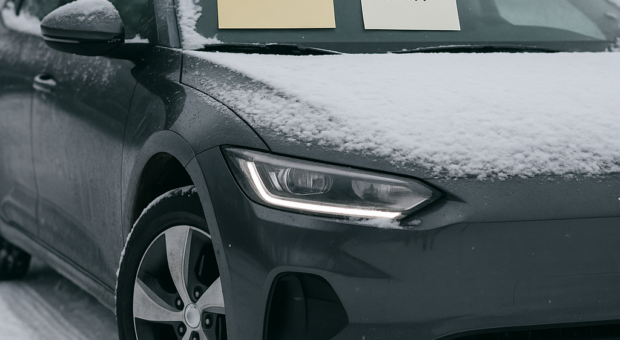
Winter Range Loss in Electric Cars: What EV Owners Should Really Expect
Electric vehicles (EVs) and plug-in hybrids are increasingly popular for their eco-friendly appeal and low running costs. However, many owners notice a significant drop in driving range when winter arrives. This review dives into the reality of winter range loss, focusing on practical experience with electric city cars and hybrid vehicles, helping you understand what to expect and how to manage your EV’s performance in cold weather.
Who Is This Electric Car Review For?
This article is tailor-made for:
- New EV owners curious about seasonal range changes.
- Prospective buyers evaluating electric cars or hybrids for year-round use.
- Drivers in colder climates worried about EV range in real life during winter.
- Anyone considering the charging costs and times of electric and plug-in hybrid vehicles in city use.
Whether you’re driving a compact electric city car or a more versatile hybrid car for beginners, understanding winter impact is crucial for realistic expectations.
Pros of Electric Cars and Hybrids in Winter
Despite the challenges, EVs and hybrids offer benefits even in colder months:
- Instant torque and smooth heating improve drivability on slippery roads.
- Regenerative braking systems help maintain battery charge during stop-and-go city traffic.
- Many newer electric cars have thermal management systems that regulate battery temperature, reducing extreme range loss.
- Hybrids rely on their petrol engine as a backup, so you won’t be stranded even if the battery range drops significantly.
- Home charging lets you start each day with a full battery, offsetting the need for frequent public charging trips.
For example, a Nissan Leaf owner might see their range drop from 150 miles to around 110 miles in sub-zero temperatures. However, with pre-conditioning (warming the car while plugged in), some of this loss can be mitigated.
Cons: What to Watch Out for With Winter EV Range and Charging
Winter presents a few notable downsides for electric vehicle owners:
- Battery degradation accelerates in cold weather, reducing usable capacity temporarily.
- Heating the cabin draws significant energy, often cutting real-world range by 20-40%.
- Charging times can increase dramatically; a fast charger might take 30-40 minutes instead of 20-25 minutes when cold.
- Public charging in winter often means dealing with frozen cables or slower connectors.
- You may experience less efficient regenerative braking due to icy or snowy conditions.
For instance, a Toyota Prius Plug-in hybrid might show fuel consumption rising from an average of 50 mpg during mild weather to closer to 40 mpg in cold snaps, as the petrol engine compensates more frequently.
Real-World Scenarios: Winter Driving With an Electric or Hybrid Vehicle
Imagine a daily commute of 40 miles in a sub-zero city environment. An electric city car like the Renault Zoe, rated for 245 miles in summer, might realistically deliver only 150-170 miles on a full charge during winter.
- You may need to schedule charging more frequently, especially if you rely on public chargers.
- Pre-heating the car while plugged in can reduce battery drain from cabin heating.
- For longer trips, hybrid owners benefit from seamlessly switching to petrol power without range anxiety.
- In snowy conditions, tires and driving style have a bigger impact on range than usual.
Charging and Daily Use: Home Charging vs Public Charging in Cold Weather
Charging habits can make or break your winter EV experience:
- Home charging is ideal in winter, ensuring your battery stays warm and topped up overnight.
- Public chargers may be slower due to cold and high demand, increasing charging time in city use.
- Using a Level 2 charger at home typically takes 6-8 hours for a full charge, but this can extend in cold conditions.
- Fast chargers reduce downtime but might be less efficient when battery temperature is low.
- Monitoring battery health can help anticipate battery degradation patterns over multiple winters.
For example, a Chevy Bolt EV owner might find that charging at home overnight with a 7.2 kW charger works best, while relying on public DC fast chargers during cold days may take 10-15 minutes longer per session.
For EV owners or those considering one, knowing how winter affects your vehicle’s range and charging helps you plan better. From adjusting daily routes to factoring in extra charging time, staying informed about real-world winter performance ensures your electric or hybrid car continues to meet your needs, no matter the season.
Looking for more in-depth information? You can also read one of our full guides here: Avoiding Common EV and Hybrid Ownership Mistakes That Speed Up Battery Degradation.
Read the previous review: Home Charging Review for Hybrid Cars: Real Costs, Installation, and Everyday Convenience